Trending:
BISE Peshawar result 2026 |
BISE Abbottabad Result2026 |
BISE Mardan Result2026 |
BISE Bannu Result2026 |
BISE Swat Result2026 |
BISE Malakand Result2026 |
BISE Kohat Result2026 |
BISE DI Khan Result2026
McGill University Canada Fully Funded MSc and PhD Scholarships 2027 for Pakistan
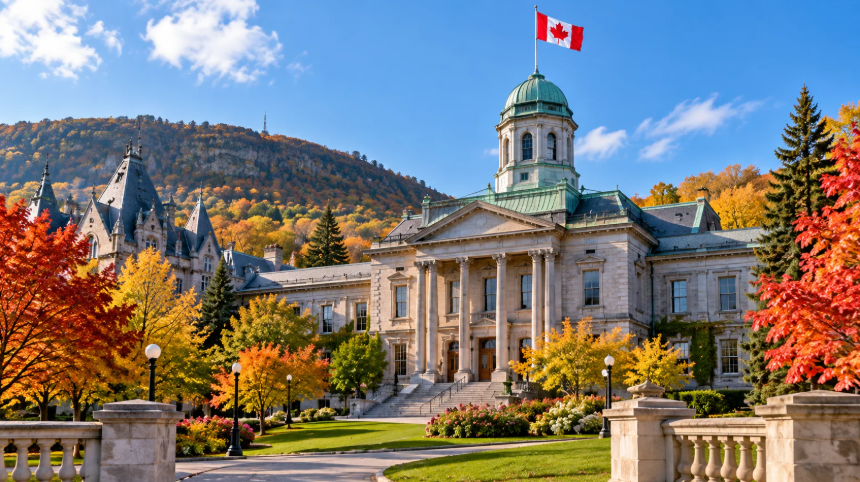
McGill University in Canada has announced fully funded research opportunities for MSc and PhD students interested in radar remote sensing and Arctic sea ice research. The opportunities are available for the Fall 2027 intake through McGill’s Polar Remote Sensing Research Group.
The research positions are based in the Department of Geography and focus on using satellite-based radar technology to understand and study Arctic sea ice. The projects are particularly suitable for students with academic backgrounds in geography, environmental science, physics, engineering, computer science, remote sensing, GIS, geophysics, or related fields.
Pakistani students are eligible to apply for these opportunities. However, Canadian citizens and permanent residents will receive preference for the MSc position.
Funding for the selected students will be provided through a combination of an award, research assistantship RA, and teaching assistantship TA. Depending on the research project and selection, students may also have the opportunity to participate in Arctic field campaigns.
The application deadline is January 15, 2027.
McGill University MSc and PhD Scholarships 2027
The McGill University research positions provide an opportunity for graduate students to pursue advanced research in radar remote sensing of Arctic sea ice.
Students will work with satellite observations and Synthetic Aperture Radar SAR data as part of their graduate research. The projects are designed to provide students with practical and academic experience in polar remote sensing while allowing them to develop specialist skills in satellite data analysis and related technologies.
Scholarship Details
Detail | Information |
University | McGill University |
Country | Canada |
Study Level | MSc and PhD |
Department | Geography |
Research Area | Radar Remote Sensing of Arctic Sea Ice |
Funding | Fully funded |
Funding Sources | Award, Research Assistantship and Teaching Assistantship |
Intake | Fall 2027 |
Application Deadline | January 15, 2027 |
Fieldwork | Arctic field campaigns may be available |
Application Method | Online graduate application |
Initial Contact | Dr. Mallik Mahmud |
Research Areas and Projects
The research focuses on the application of radar remote sensing technology to Arctic sea ice. Students will use satellite observations and SAR data to investigate characteristics and changes in sea ice.
The MSc research position is focused on SAR-based characterization of sea ice in the Canadian Arctic. It provides an opportunity for a graduate student to develop research skills in radar remote sensing and satellite image analysis.
The PhD research project is broader and more advanced. It may involve multi-frequency SAR data, radar backscatter, polarimetry, large raster datasets, cloud-based platforms and machine learning.
These research areas make the opportunities particularly relevant for students who want to build careers or pursue further research in remote sensing, Earth observation, geophysics, environmental science, Arctic research, satellite technology or related fields.
MSc Research Position
The MSc project will focus on using Synthetic Aperture Radar data to study and characterize Arctic sea ice in the Canadian Arctic.
Applicants should have a strong academic background in a relevant discipline and demonstrate an interest in research involving satellite observations and remote sensing.
Previous experience with radar data is helpful but is not required for the MSc position. Students with experience in remote sensing, GIS, geophysics or satellite imagery may have an advantage because these skills are relevant to the proposed research.
The project is suitable for graduates who want to develop advanced research experience in satellite-based environmental monitoring and polar science.
MSc Eligibility Criteria
Applicants for the MSc position should have a bachelors degree in one of the following or a closely related discipline:
- Geography
- Environmental Science
- Physics
- Engineering
- Computer Science
- A related field
Candidates should also have advanced programming skills and an interest in Arctic research.
Experience in the following areas can strengthen an application:
- Remote sensing
- GIS
- Geophysics
- Satellite imagery
- Environmental data analysis
Canadian citizens and permanent residents will receive preference for the MSc position. However, eligible international applicants, including students from Pakistan, can also apply.
PhD Research Position
The PhD project involves more advanced research in radar remote sensing and Arctic sea ice. The research may involve the analysis of multi-frequency SAR data and the study of radar backscatter and polarimetry.
Students may also work with large raster datasets, cloud-based computing platforms and machine learning techniques.
Because of the advanced research requirements, applicants are expected to have previous graduate-level research experience and a strong understanding of radar data.
PhD Eligibility Criteria
Applicants for the PhD position should hold an MSc degree in a relevant discipline such as:
- Remote Sensing
- Geography
- Physics
- Engineering
- A related field
Candidates should have:
- Advanced programming skills
- Hands-on experience with radar data
- Knowledge of radar backscatter
- Understanding of polarimetry
- Strong scientific writing skills
Applicants with a first-author research publication or a manuscript in preparation may have an advantage when applying for the PhD opportunity.
Experience with machine learning, cloud-based platforms and large satellite datasets may also be relevant to the research project.
What Does the McGill Scholarship Funding Cover?
The MSc and PhD positions are described as fully funded research opportunities. Funding will come from a combination of an award, research assistantship and teaching assistantship.
This funding structure is intended to support selected graduate students during their research studies.
In addition to financial support, students can gain practical research experience through work on Arctic sea ice and satellite remote sensing projects.
Selected students may also have the opportunity to participate in Arctic field campaigns. Such fieldwork can provide valuable experience in collecting and studying sea ice observations alongside the satellite-based research.
Why Pakistani Students Should Consider This Opportunity
The McGill University research positions may be particularly attractive to Pakistani students with a strong background in science, engineering, geography, computer science or remote sensing.
The projects combine several areas of modern research, including:
- Satellite remote sensing
- Synthetic Aperture Radar
- Arctic sea ice research
- Geographic information systems
- Radar backscatter
- Polarimetry
- Machine learning
- Cloud-based data analysis
- Large satellite datasets
Students who already have programming, satellite imagery or remote sensing experience can highlight these skills when contacting the research supervisor.
However, meeting the academic requirements does not guarantee admission or funding. Applicants will need to go through McGill Universitys graduate application and selection process.
How to Apply for McGill University MSc and PhD Scholarships
Interested candidates should first contact Dr. Mallik Mahmud before submitting their formal graduate application to McGill University.
The initial email should briefly introduce the applicant and explain their previous academic or research experience. Applicants should also describe their research interests and explain why they are interested in the Arctic sea ice and radar remote sensing projects.
Candidates should attach:
- An updated CV
- An unofficial academic transcript
- A brief explanation of their academic or research background
- Their relevant research interests
After contacting the supervisor, eligible applicants should complete the formal graduate application through McGill University before the stated deadline.
Tips for Pakistani Applicants
Students applying from Pakistan should carefully review their academic background and compare it with the requirements of the relevant MSc or PhD project.
Applicants can make their initial contact more effective by clearly mentioning relevant experience in areas such as programming, remote sensing, GIS, satellite imagery, radar data or scientific research.
PhD applicants should also highlight their previous publications, research projects, scientific writing experience and any work involving radar or satellite datasets.
Application Deadline
The application deadline for the McGill University Geography graduate application is January 15, 2027.
Students interested in the MSc or PhD research opportunities should contact the research group well before the deadline so they have sufficient time to discuss their background, prepare their documents and complete the formal application process.
Applicants should also check the official McGill University graduate application requirements before submitting their application, as meeting the research position requirements alone does not automatically guarantee admission.
FAQs
Can Pakistani students apply for the McGill University scholarships?
Yes. Eligible international students, including Pakistani students, can apply for the MSc and PhD research opportunities. Canadian citizens and permanent residents will receive preference for the MSc position.
What is the study level for these McGill opportunities?
The available research opportunities are for MSc and PhD students.
What is the research area?
The main research area is radar remote sensing of Arctic sea ice. The projects involve satellite observations and Synthetic Aperture Radar data.
Is the McGill scholarship fully funded?
The positions are described as fully funded, with support provided through a combination of an award, research assistantship and teaching assistantship.
Do MSc applicants need previous radar experience?
Previous radar experience can be useful, but it is not required for the MSc position. Experience with remote sensing, GIS, geophysics or satellite imagery can strengthen an application.
What degree is required for the PhD position?
Applicants for the PhD position should have an MSc in remote sensing, geography, physics, engineering or a related discipline.
Is programming experience required?
Advanced programming skills are expected for both research positions.
Can selected students participate in Arctic fieldwork?
Yes. Selected students may have the opportunity to participate in Arctic field campaigns as part of their research experience.
What is the application deadline?
The application deadline is January 15, 2027.
Who should applicants contact first?
Interested students should contact Dr. Mallik Mahmud before submitting their formal graduate application.
Related Links
Add a Comment
Comments will be shown after admin approval.
Spam comments will not be approved at all.
Intermediate Result 2026
Related Educational News
- 05 Oct 2026 Edu News
- Punjab University to Inaugurate Human-Centered AI Lab
- BSEK Karachi 9th Class General Group Result 2026 Announced – Check Result Onli
- Federal Board Inter Part 1 & 2 Result Date, Time and Check Online
- BISE Rawalpindi 9th Class Result 2026 Download Gazette PDF
- BIEK Karachi Results of 12th Class Science General Group Announced
- Pearson Edexcel Results 2026 – IAL, International GCSE and Result Dates
- Edexcel IGCSE Results 2026 – Release Date, Online Result and Grade Boundaries
- Cambridge A Level Results 2026 Release Date – Result Check and Latest Update
- Cambridge O Level Results 2026 Release Date – Check Result Online
- BIEK HSSC Part-II Science Pre-Engineering Group Result 2026 Announced
- Result 2026

Matric Result 2026 Punjab
10th Class Result 2026 Punjab
9th Class Result 2026 Punjab Boards
10th Class Result Gazette 2026 Punjab
Punjab Past Papers Matric 9th 10th
Primary Results 5th & 8th Class
BISE Results Intermediate & Matric
BISE Punjab Boards
Sindh Educational Boards
KPK Examination Boards
Technical Boards
Public Service Commission
University Results Gruaduation, Masters Classes
Subscribe by Email
Subscribe by Email
Subscribe to Rss Feed


Position Holders Matric 2026
Position Holders 9th Class 2026
Position Holders Inter 2026
Position Holders 11th Class 2026