Trending:
BISE Peshawar result 2026 |
BISE Abbottabad Result2026 |
BISE Mardan Result2026 |
BISE Bannu Result2026 |
BISE Swat Result2026 |
BISE Malakand Result2026 |
BISE Kohat Result2026 |
BISE DI Khan Result2026
New Policy Reforms for Pakistan MDCAT Exam 2026
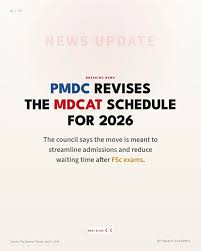
A Senate health subcommittee has recommended a sweeping review of the medical entry system, proposing that the MDCAT be conducted twice a year. Convened by Senator Anusha Rahman, the panel highlighted critical policy gaps regarding vacant seats, disproportionate exam weightage, and regulatory decisions affecting students seeking medical degrees abroad.
According to healthcare education consultants and senior university administrators, these legislative recommendations signal an essential pivot toward structural transparency. The existing friction between provincial entities and federal regulators has long complicated the academic journey for thousands of aspiring doctors. By enforcing rigorous accountability and demanding data-driven policy modifications, lawmakers are attempting to bridge the gap between regulatory authority and student welfare.
The Core Benefits of Holding MDCAT Exam Twice a Year
The most transformative recommendation stemming from the recent parliamentary session is the mandate for holding MDCAT exam twice a year. Historically, the medical and dental college admission test Pakistan has been conducted as a singular, high-pressure annual event. This rigid framework has drawn immense criticism for inducing severe mental strain and failing to account for students who underperform due to situational issues. Providing two distinct opportunities within a single academic calendar allows aspirants to improve their scores without losing an entire year of their lives. Lawmakers emphasized that this modification will not only support students but also stabilize the enrollment numbers across public and private academic institutions.
Evaluating PMDC MDCAT Exam Policy Updates on Foreign Admissions
A significant portion of the subcommittee meeting was dedicated to analyzing recent directives regarding international medical education. The council recently issued an advertisement making the entrance test mandatory even for those individuals pursuing MBBS degrees in foreign countries. Senators sharply questioned the legal mandate behind this decision, noting that blanket restrictions often create unnecessary logistical barriers for families. Instead of forcing a local exam on overseas applicants, the committee suggested that regulators should publish a transparent directory of substandard foreign universities. This proactive strategy would empower parents and students to make informed choices without imposing arbitrary legal hurdles that lack explicit statutory backing.
Overhauling the MDCAT Admission Weightage and Criteria for Equity
The legislative body also expressed deep concern over how the entrance test disproportionately impacts candidates from varied educational backgrounds. Currently, the 50 percent weightage allocated to the test creates a major disadvantage, particularly for A-Level students whose curriculum varies significantly from the local intermediate syllabus. To fix these discrepancies, the ongoing review of MDCAT admission weightage and criteria aims to establish a more holistic assessment model. Lawmakers are urging regulatory authorities to lower the entrance exams dominance, potentially shifting more focus toward matriculation records, intermediate scores, and structured interviews to mirror global medical enrollment standards.
Economic Exploitation and Senate Subcommittee Medical Education Reforms
Beyond structural admission criteria, the committee shed light on the harsh financial realities plaguing new medical graduates. While private institutions charge millions of rupees in tuition fees, entering professionals face an alarming lack of employment opportunities, with initial monthly salaries frequently averaging a meager Rs. 25,000. Additionally, over seven hundred seats remain completely vacant across the nation, primarily within dentistry programs, due to misaligned regulatory policies and international recognition issues. The Senate subcommittee medical education reforms aim to fix these systemic flaws by forcing the regulatory council to work alongside university vice-chancellors and student bodies, building a highly standardized, economically viable, and transparent healthcare education framework.
Add a Comment
Comments will be shown after admin approval.
Spam comments will not be approved at all.
Intermediate Result 2026
Related Educational News
- 21 Oct 2026 Edu News
- 3 Ways to Check BISE Lahore Board 11th Class Result 2026
- FPSC CE-2026 Viva Voce Schedule 2026 for Islamabad, Lahore and Quetta
- Karachi Board HSC-I Pre-Engineering Result 2026 Announced
- Punjab University to Inaugurate Human-Centered AI Lab
- BSEK Karachi 9th Class General Group Result 2026 Announced – Check Result Onli
- Federal Board Inter Part 1 & 2 Result Date, Time and Check Online
- BISE Rawalpindi 9th Class Result 2026 Download Gazette PDF
- BIEK Karachi Results of 12th Class Science General Group Announced
- Pearson Edexcel Results 2026 – IAL, International GCSE and Result Dates
- Edexcel IGCSE Results 2026 – Release Date, Online Result and Grade Boundaries
- Result 2026

Matric Result 2026 Punjab
10th Class Result 2026 Punjab
9th Class Result 2026 Punjab Boards
10th Class Result Gazette 2026 Punjab
Punjab Past Papers Matric 9th 10th
Primary Results 5th & 8th Class
BISE Results Intermediate & Matric
BISE Punjab Boards
Sindh Educational Boards
KPK Examination Boards
Technical Boards
Public Service Commission
University Results Gruaduation, Masters Classes
Subscribe by Email
Subscribe by Email
Subscribe to Rss Feed


Position Holders Matric 2026
Position Holders 9th Class 2026
Position Holders Inter 2026
Position Holders 11th Class 2026