Trending:
BISE Peshawar result 2026 |
BISE Abbottabad Result2026 |
BISE Mardan Result2026 |
BISE Bannu Result2026 |
BISE Swat Result2026 |
BISE Malakand Result2026 |
BISE Kohat Result2026 |
BISE DI Khan Result2026
PMDC Orders Annual Mental Health Screening for Medical and Dental Students
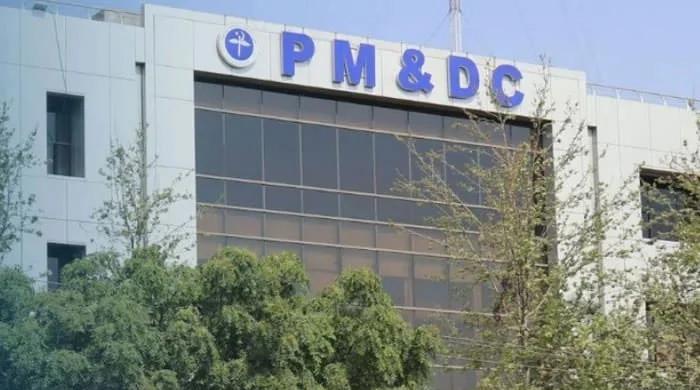
The Pakistan Medical and Dental Council PMDC has introduced annual mental health screening for medical and dental students, along with faculty and staff, in an effort to identify psychological distress and suicide risk at an early stage.
The initiative will cover around 22,500 medical and dental students and is intended to ensure that individuals experiencing emotional or psychological difficulties can receive appropriate support before their condition becomes more serious.
PMDC President Prof. Dr. Rizwan Taj said the council is taking steps to make mental health a more important part of medical and dental education and student welfare. He emphasized the need to recognize emotional distress early and provide timely assistance to people who may be struggling with mental health problems.
The announcement was made during the Pakistan Global Mental Health Summit 2026, where Federal Health Minister Syed Mustafa Kamal also launched the National Mental Health Policy 2026-2035.
PMDC to Conduct Annual Mental Health Screening
The PMDC has directed medical and dental colleges to introduce annual mental health screening for students, faculty members and staff.
The purpose of the screening is to identify people who may be experiencing emotional distress, psychological difficulties or signs of suicide risk. Early identification can help institutions connect individuals with appropriate support and referral services before their problems become more severe.
According to PMDC President Prof. Dr. Rizwan Taj, the initiative is focused on recognizing mental health concerns at an early stage rather than waiting until a student or staff member reaches a crisis point.
The move highlights the growing importance of mental health within medical and dental institutions, where students and professionals can face significant academic and professional pressures.
The screening is expected to provide educational institutions with a structured way to identify people who may need additional assistance and guide them toward appropriate mental health services.
Mental Health Support for Students and Staff
The new screening initiative is not limited to students. PMDC has also included faculty and staff in the mental health measures.
This broader approach recognizes that mental health concerns can affect people across an educational institution. Teachers, administrative employees and other staff members may also experience psychological distress and may require access to professional support.
The objective is to create an environment where mental health concerns can be identified and addressed rather than ignored.
The PMDC president said the measures are intended to provide support to individuals experiencing emotional distress and other mental health problems before their condition worsens or potentially results in self-harm.
This makes early intervention an important part of the councils approach.
Mental Health Made Compulsory in Medical Education
Along with screening, the PMDC has made mental health an independent and compulsory subject in undergraduate medical and dental education.
The change is intended to give future doctors and dentists greater exposure to mental health issues during their professional training.
Medical and dental professionals frequently encounter patients dealing with psychological and behavioral problems. Strengthening mental health education can help students develop a better understanding of these conditions and recognize when patients may require specialized assistance.
The inclusion of mental health as a compulsory subject also reflects the need for medical education to address both physical and psychological aspects of patient care.
PMDC Increases Mental Health Teaching Hours
The council has significantly increased the amount of mental health teaching included in undergraduate medical and dental education.
Mental health teaching has been increased from 50 hours to 175 hours, while the PMDC plans to increase the total further to 200 hours.
The additional teaching is intended to better prepare medical and dental students to recognize mental health conditions and respond appropriately when they encounter patients or individuals experiencing psychological difficulties.
The expanded curriculum can also help future healthcare professionals understand the warning signs associated with mental health problems and the importance of referring patients for specialized care when necessary.
By increasing classroom exposure to mental health, the PMDC is placing greater emphasis on the role of doctors and dentists in identifying psychological concerns as part of overall healthcare.
Mental Health Care Centers in Medical and Dental Colleges
Medical and dental colleges have also been directed to establish primary mental health care centers.
These centers are expected to provide support and referral services to students, faculty and staff members who require assistance.
The centers can serve as an initial point of support for individuals experiencing mental health concerns. Where more specialized treatment is required, they can also help connect individuals with appropriate services.
The directive is part of a broader effort to make mental health support more accessible within medical and dental educational institutions.
Having support services available within colleges may also make it easier for students and staff to seek assistance when they are facing emotional or psychological difficulties.
Mental Health Situation in Pakistan
The PMDCs measures come at a time when mental health has emerged as an important public health concern in Pakistan.
The countrys first nationally representative psychiatric survey found that 32.3 percent of adults, or nearly one in three Pakistanis, were living with a diagnosable mental or behavioral disorder.
The findings demonstrate the scale of mental health challenges in the country and underline the need for stronger systems for prevention, early identification, treatment and support.
Mental health conditions can affect people from different backgrounds and age groups, making access to appropriate services an important part of the healthcare system.
The findings also provide context for efforts to strengthen mental health education among healthcare professionals and improve access to support services.
Findings of Pakistans National Psychiatric Survey
The national psychiatric survey also reported concerning findings related to suicidal thoughts and behavior.
According to the study, 6.2 percent of participants had experienced suicidal thoughts or behavior during the previous month.
The survey further found that 1.1 percent of participants reported having attempted suicide at some point in their lives.
These findings highlight the importance of identifying people at risk and ensuring that appropriate mental health services are available to those who need them.
For medical and dental institutions, early identification of psychological distress can be particularly important because students and healthcare workers may be exposed to demanding academic, clinical and professional environments.
The surveys findings have also provided evidence that can support wider discussions about mental health policy, healthcare planning and the development of community-based services.
Expert Calls for Stronger Mental Health Services
Prof. Dr. Mohammad Iqbal Afridi, professor emeritus of psychiatry and a co-author of the national psychiatric study, said the surveys findings should play an important role in shaping future mental health policies.
He emphasized the value of using national-level evidence to guide policymaking, workforce planning and the expansion of community-based mental health services.
Reliable information about the prevalence of mental and behavioral disorders can help policymakers better understand the level of need and determine where additional services and resources may be required.
The survey therefore provides important background to the wider efforts being taken to strengthen mental health awareness and services in Pakistan.
What the PMDC Initiative Means for Students
The PMDCs new measures could bring several important changes to the way mental health is addressed within medical and dental colleges.
First, annual screening can help institutions identify students and staff members who may need support. Instead of relying only on individuals to seek help themselves, regular screening can provide an additional opportunity to recognize possible concerns.
Second, the expansion of mental health education means medical and dental students will receive considerably more formal teaching in the subject. Increasing teaching hours from 50 to 175, with a planned target of 200 hours, represents a major expansion of mental health education within undergraduate training.
Third, the establishment of primary mental health care centers can provide students and staff with an institutional point of contact for support and referrals.
Together, these measures place greater emphasis on prevention, early recognition and access to care.
Why Mental Health Education Is Important for Future Doctors
Doctors and dentists interact with patients who may experience anxiety, depression, behavioral difficulties and other psychological concerns alongside physical health problems.
A stronger understanding of mental health can help healthcare professionals recognize when a patients symptoms may require further assessment or specialist care.
For medical students, mental health education can also contribute to a broader understanding of patient wellbeing. Physical and psychological health are often closely connected, and healthcare professionals need to consider both when assessing patients.
The PMDCs decision to make mental health a compulsory subject therefore represents an effort to ensure that future healthcare professionals receive structured education in an area that affects a significant portion of the population.
A Broader Focus on Mental Health in Pakistan
The launch of the National Mental Health Policy 2026-2035, together with the PMDCs education and screening measures, places mental health higher on the national healthcare agenda.
The policy and educational reforms address different parts of the mental health system. While national policy can provide a framework for broader healthcare planning, medical and dental colleges play an important role in preparing healthcare professionals who will eventually provide services to patients.
The PMDCs measures also place emphasis on mental health within educational institutions themselves, rather than treating it solely as a subject related to patient care.
Annual screening, mental health teaching and institutional support centers together represent a more comprehensive approach to mental health in medical and dental education.
Frequently Asked Questions
What has the PMDC announced regarding mental health screening?
The Pakistan Medical and Dental Council has ordered annual mental health screening for medical and dental students, as well as faculty and staff, to help identify psychological distress and suicide risk at an early stage.
How many students are covered by the PMDC mental health initiative?
The initiative is intended to cover around 22,500 medical and dental students, along with faculty and staff.
Has mental health become a compulsory subject for medical and dental students?
Yes. The PMDC has made mental health an independent and compulsory subject in undergraduate medical and dental education.
How many hours of mental health teaching are planned?
Mental health teaching has been increased from 50 hours to 175 hours, with the PMDC planning to increase it further to 200 hours.
Will medical and dental colleges have mental health care centers?
Medical and dental colleges have been directed to establish primary mental health care centers to provide support and referral services for students, faculty and staff who need assistance.
What did Pakistans national psychiatric survey find?
The survey found that 32.3 percent of adults were living with a diagnosable mental or behavioral disorder. It also reported that 6.2 percent of participants had experienced suicidal thoughts or behavior during the previous month, while 1.1 percent reported having attempted suicide at some point in their lives.
Who announced the new mental health measures?
PMDC President Prof. Dr. Rizwan Taj discussed the measures at the Pakistan Global Mental Health Summit 2026. Federal Health Minister Syed Mustafa Kamal also launched the National Mental Health Policy 2026-2035 at the event.
The PMDCs decision to introduce annual mental health screening and expand mental health education marks a significant step toward addressing psychological wellbeing within medical and dental institutions.
With screening planned for students, faculty and staff, the initiative aims to identify emotional distress and suicide risk at an earlier stage. The establishment of primary mental health care centers is also intended to give people within medical and dental colleges access to support and referral services.
At the same time, increasing mental health teaching from 50 to 175 hours, with a planned expansion to 200 hours, will give future doctors and dentists greater exposure to mental health conditions during their undergraduate education.
The measures come against the back of national survey findings showing a substantial burden of mental and behavioral disorders in Pakistan. As the country develops its mental health policies and services, strengthening the training and wellbeing of healthcare professionals could play an important role in improving the overall response to mental health needs.
Add a Comment
Comments will be shown after admin approval.
Spam comments will not be approved at all.
Intermediate Result 2026
Related Educational News
- 05 Oct 2026 Edu News
- BSEK Karachi 9th Class General Group Result 2026 Announced – Check Result Onli
- Federal Board Inter Part 1 & 2 Result Date, Time and Check Online
- BISE Rawalpindi 9th Class Result 2026 Download Gazette PDF
- BIEK Karachi Results of 12th Class Science General Group Announced
- Pearson Edexcel Results 2026 – IAL, International GCSE and Result Dates
- Edexcel IGCSE Results 2026 – Release Date, Online Result and Grade Boundaries
- Cambridge A Level Results 2026 Release Date – Result Check and Latest Update
- Cambridge O Level Results 2026 Release Date – Check Result Online
- BIEK HSSC Part-II Science Pre-Engineering Group Result 2026 Announced
- Cambridge Exam Results 2026 – IGCSE, O Level and A Level Result Dates
- Result 2026

Matric Result 2026 Punjab
10th Class Result 2026 Punjab
9th Class Result 2026 Punjab Boards
10th Class Result Gazette 2026 Punjab
Punjab Past Papers Matric 9th 10th
Primary Results 5th & 8th Class
BISE Results Intermediate & Matric
BISE Punjab Boards
Sindh Educational Boards
KPK Examination Boards
Technical Boards
Public Service Commission
University Results Gruaduation, Masters Classes
Subscribe by Email
Subscribe by Email
Subscribe to Rss Feed


Position Holders Matric 2026
Position Holders 9th Class 2026
Position Holders Inter 2026
Position Holders 11th Class 2026