Trending:
BISE Peshawar result 2026 |
BISE Abbottabad Result2026 |
BISE Mardan Result2026 |
BISE Bannu Result2026 |
BISE Swat Result2026 |
BISE Malakand Result2026 |
BISE Kohat Result2026 |
BISE DI Khan Result2026
Transformation in Punjab’s Education Sector
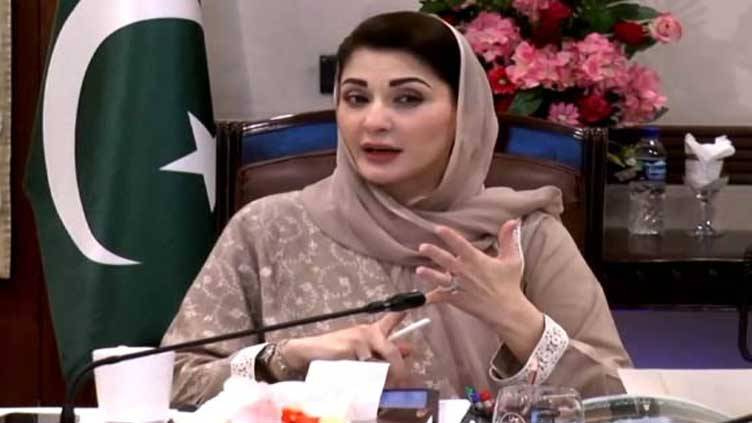
Punjab’s education system is undergoing a gradual transformation as the policy direction associated with Maryam Nawaz Sharif builds upon existing initiatives like the Public Schools Reorganisation Programme and the Punjab Education Foundation. The focus appears to be on expanding educational access, strengthening oversight, and maintaining a balance between performance-based evaluation and broader learning needs within classrooms. The students can get latest information of Transformation in Punjab’s Education Sector.
Evolving Policies, Public-Private Partnerships, and Future Direction of Education in Punjab
For many years, education in Punjab has faced the challenge of aligning policy ambitions with ground realities. Although various governments have introduced reforms, the gap between planning and actual classroom conditions has often remained significant. In this context, the current approach does not aim to replace previous systems entirely but rather to refine and expand them.
One key initiative, the PSRP, involves handing over poorly performing public schools to private management. Supporters believe this model improves efficiency and introduces accountability into a system often slowed by administrative hurdles. However, critics argue that such measures may compromise the public nature of education and place excessive emphasis on numerical outcomes rather than quality learning. The current leadership’s stance suggests a practical approach, prioritizing both accessibility and improvement in standards rather than strictly adhering to one ideology.
A central component of this framework is the role of the Punjab Education Foundation. Over time, PEF has played a major role in promoting partnerships between the public and private sectors, particularly in underserved communities. By offering financial support to students enrolled in private schools, it has attempted to make education more affordable. There are indications that this model will be further expanded, with increased attention on accountability and performance monitoring.
An important feature of this system is its reliance on measurable outcomes. Schools operating under PEF-supported programs are evaluated through standardized assessments, creating a results-oriented environment. While this helps policymakers track progress and identify gaps, it can also place pressure on teachers and students to focus narrowly on test performance.
The key challenge lies in maintaining a balance. While accountability and improved standards are essential, education must also address wider concerns such as teacher development, curriculum relevance, and student well-being. Recent discussions highlight efforts to improve infrastructure, enhance teacher training, and adopt modern teaching practices, indicating a broader perspective on educational reform.
Another important aspect is the social role of education. In many rural and underprivileged urban areas of Punjab, schools are more than just learning institutions—they are pathways to better economic opportunities. Expanding initiatives like PEF and refining programs such as PSRP aim to improve both reach and flexibility, making education more accessible to disadvantaged communities.
However, sustainability remains a concern. Public-private partnerships require consistent funding and strong regulation to maintain standards and affordability. Without effective oversight, inequalities may arise between different regions or institutions. Additionally, the increasing involvement of private entities in education raises questions about equity and long-term policy direction. Addressing these concerns will require clear communication and transparent implementation strategies.
Despite these challenges, there have been visible improvements in some areas. Schools that previously struggled with low attendance and poor facilities have shown signs of progress under alternative management models. These outcomes suggest that targeted reforms can deliver meaningful change when implemented effectively.
The emphasis on girls’ education is another positive development. Although Punjab has made strides in reducing the gender gap, barriers still exist, especially in higher education. Expanding access for female students remains a crucial part of any comprehensive education strategy.
Ultimately, the success of these reforms will depend on effective governance, financial stability, and consistent policy execution. Education reform is closely linked to broader administrative and economic factors, making its implementation a complex process.
At present, the direction of Punjab’s education system reflects gradual improvement rather than drastic change. The strategy focuses on refining existing programs and expanding their reach. Whether this approach will achieve long-term success depends on how well challenges are managed and how responsive the system remains to real-world needs.
In the end, the true measure of any education policy lies in its impact on students—whether they gain the ability to think critically, learn effectively, and build a better future. The current phase presents an opportunity to strengthen the system, but its success will be determined by outcomes in classrooms rather than policy announcements.
Add a Comment
Comments will be shown after admin approval.
Spam comments will not be approved at all.
Intermediate Result 2026
Related Educational News
- 21 Oct 2026 Edu News
- 3 Ways to Check BISE Lahore Board 11th Class Result 2026
- FPSC CE-2026 Viva Voce Schedule 2026 for Islamabad, Lahore and Quetta
- Karachi Board HSC-I Pre-Engineering Result 2026 Announced
- Punjab University to Inaugurate Human-Centered AI Lab
- BSEK Karachi 9th Class General Group Result 2026 Announced – Check Result Onli
- Federal Board Inter Part 1 & 2 Result Date, Time and Check Online
- BISE Rawalpindi 9th Class Result 2026 Download Gazette PDF
- BIEK Karachi Results of 12th Class Science General Group Announced
- Pearson Edexcel Results 2026 – IAL, International GCSE and Result Dates
- Edexcel IGCSE Results 2026 – Release Date, Online Result and Grade Boundaries
- Result 2026

Matric Result 2026 Punjab
10th Class Result 2026 Punjab
9th Class Result 2026 Punjab Boards
10th Class Result Gazette 2026 Punjab
Punjab Past Papers Matric 9th 10th
Primary Results 5th & 8th Class
BISE Results Intermediate & Matric
BISE Punjab Boards
Sindh Educational Boards
KPK Examination Boards
Technical Boards
Public Service Commission
University Results Gruaduation, Masters Classes
Subscribe by Email
Subscribe by Email
Subscribe to Rss Feed


Position Holders Matric 2026
Position Holders 9th Class 2026
Position Holders Inter 2026
Position Holders 11th Class 2026